
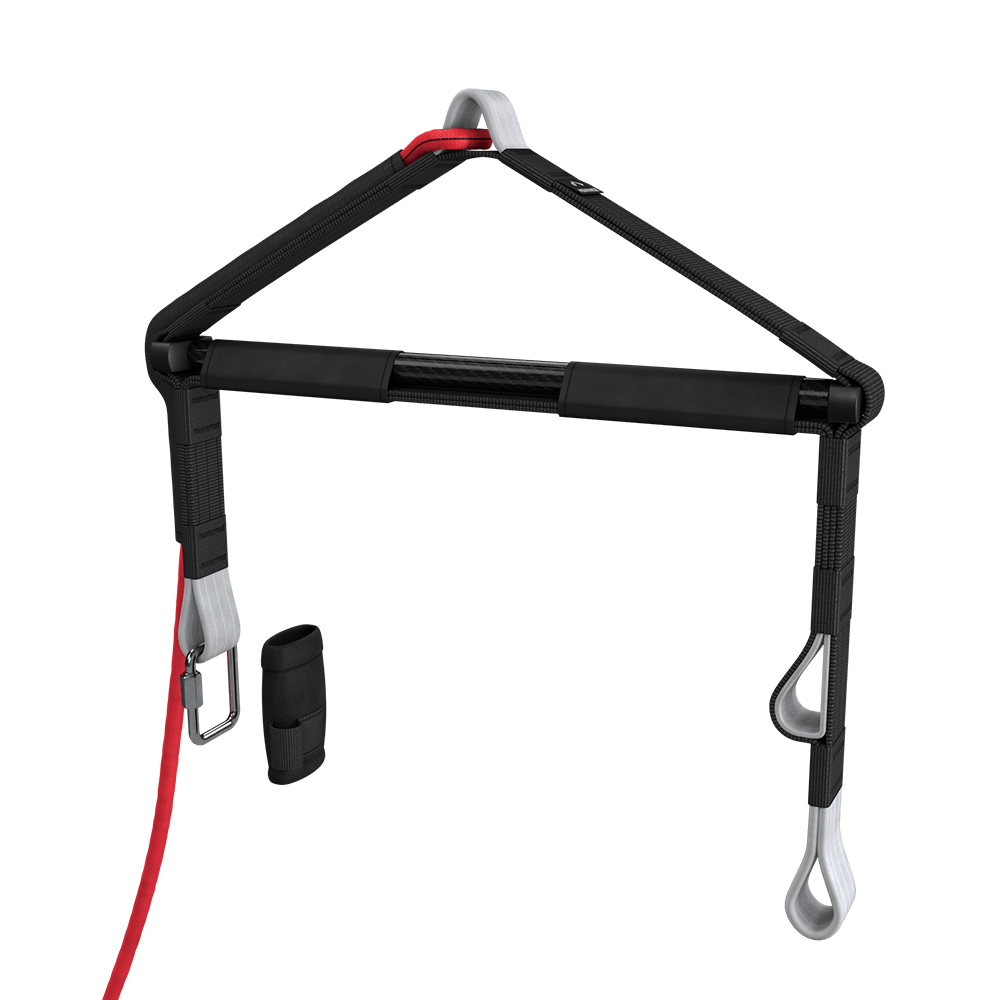
Tandem spreaders serve as essential accessories for tandem paragliders, creating the correct spacing and attachment geometry between pilot and passenger. In broader agricultural contexts, tandem spreaders predominantly refer to tandem-axle manure and fertiliser spreaders used in farming operations for distributing horse, cattle, sheep, and pig manure, pen-pack bedding, compost, and various fertilisers. Their design prioritizes stability, durability, and versatility in handling heavy loads across diverse terrains.
Build Quality and Durability
A key consideration in tandem spreaders is their construction quality. Customers consistently praise farm-grade tandem spreaders featuring robust, hot-dip galvanised frames and corrosion-resistant components such as stainless-steel parts and hoppers. These features are critical for withstanding the corrosive environments typical when spreading manure or fertiliser. The tandem axle configuration provides stability during transport on uneven ground and slopes. However, lightweight or budget models, often designed for hobby farms or small-scale use, frequently draw criticism for flimsy build, poor welding, and short service life. Such low-end units also suffer from unresponsive customer service, leading to dissatisfaction.
Spreading Performance and Pattern
Performance in manure and fertiliser distribution is a defining feature of well-engineered tandem spreaders. Vertical beaters or dual-rotor setups effectively shred pen-pack bedding and distribute material evenly when composted properly. The adaptability of some models to switch between spreading and cargo modes enhances their utility throughout the year. For fertilisers, spinner spreaders with adjustable fins achieve commendable distribution uniformity and allow for spread width adjustment. Customers prefer designs that minimize bridging and material dump issues which can cause uneven spreading and operational interruptions. Tandem spreaders with precise feed controls, such as hydraulic push-off systems and finely tuned gates, receive notably better user feedback.
Ease of Use, Control, and Comfort
User-friendly features greatly influence satisfaction with tandem spreaders. Hydraulic flow-control valves and push-off mechanisms enable operators to regulate application rates conveniently from the tractor seat, improving efficiency and reducing operator fatigue. Systems that maintain level machine positioning via adjustable drawbars contribute to safe and comfortable towing. Practical hitching solutions and high manoeuvrability simplify operations in confined spaces. Conversely, lightweight tow-behind spreaders often face challenges with gate control coordination, especially when used behind ATVs or UTVs, and have spreading rates that fluctuate with ground speed, complicating precision. These challenges detract from user experience, particularly in maintaining consistent application.
Capacity, Versatility, and Multi-function Use
Larger tandem axle spreaders, typically handling 10 to 26 tons, excel in load capacity and are favored for heavy or bulky materials without stressing a single axle. Their modular design allows users to tailor spreading components (vertical vs. horizontal rotors, disc systems) to specific material types and spreading needs. The option to convert from spreader to multi-purpose trailer further boosts their value, enabling transport of silage, grain, or other bulk goods. However, smaller spreaders may be unsuitable for heavier tasks, and excessively large units might be impractical for smaller tractors or acreage, prompting compromises in equipment selection.
Precision Features and Technological Advances
Progressive farms show appreciation for electronic spreading control systems integrated with ISOBUS or external farm computers, facilitating variable rate applications, data logging, and optimized fertiliser use. These innovations appeal by enhancing accuracy and enabling site-specific nutrient application, promoting sustainable and cost-effective farming. Nonetheless, high initial costs limit adoption, with many smaller or cost-conscious users opting for simpler or used equipment over premium technologically advanced spreaders.
Price Perception and Value for Money
While branded, heavy-duty, or technologically sophisticated tandem spreaders command significant investment, users often regard them as worthwhile when frequent or commercial use justifies durability, reliability, and advanced features. In contrast, inexpensive new small spreaders are sometimes viewed skeptically for their price relative to build quality. The secondary market for used full-sized tandem spreaders is actively favored by some buyers, who perceive better value and longevity over new budget options.
Summary and Recommendations
Customers recommend prioritizing build quality—choosing rugged, galvanised, tandem-axle spreaders from reputable manufacturers correlates strongly with user satisfaction. Precise control over material feed and gate operation is essential to avoid spreading inconsistencies such as bridging or dumping. Matching the spreader size and capability to the type of material and tractor or ATV power prevents operational issues. Additionally, versatility that enables multi-material handling and trailer conversion enhances utility and return on investment. While precision technologies offer compelling advantages for large-scale operations, budget constraints mean simpler solutions remain common among hobby farms. Prospective buyers should consider their typical materials, vehicle size, and land area for tailored equipment recommendations.
For more information about tandem spreaders and to explore detailed product specifications, visit the manufacturer's website. Order high-quality paragliding and tandem equipment conveniently through Paragliding.me.